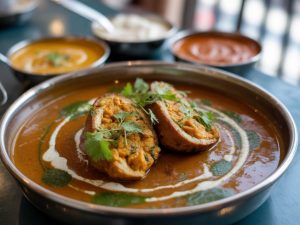
A Culinary Journey Through Paris: Discovering the City’s Best Indian Restaurants and Chai Spots
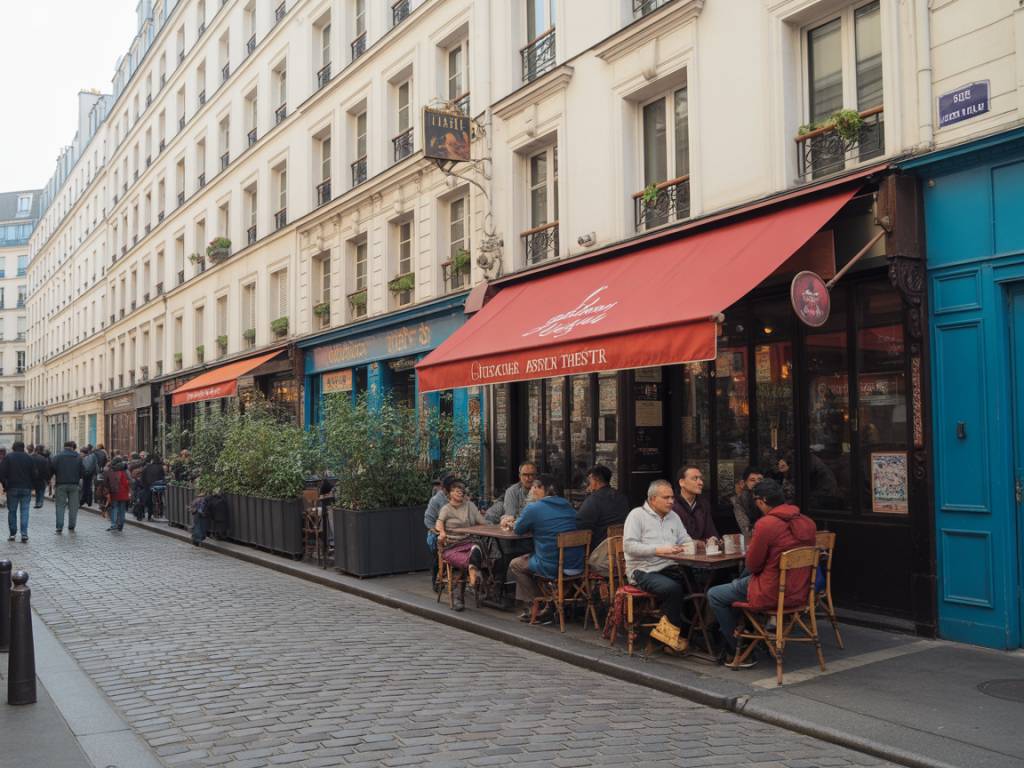
A Culinary Journey Through Paris: Discovering the City’s Best Indian Restaurants and Chai Spots
Paris is often celebrated as the capital of French gastronomy, yet beyond its bistros and Michelin-starred institutions, the city offers a rich and evolving Indian food scene. From refined Indian restaurants near the Grands Boulevards to tiny chai spots hidden in Passage Brady, the French capital is gradually becoming an exciting destination for lovers of Indian cuisine, masala chai, and regional specialties. This guide explores some of the best Indian restaurants and chai cafés in Paris, highlighting where to find authentic flavors, modern twists, and warm hospitality.
The Rise of Indian Cuisine in Paris
Over the past decade, the perception of Indian food in Paris has changed significantly. What was once largely limited to basic curry houses around Gare du Nord and La Chapelle has expanded into a diverse culinary landscape. Today, visitors can find:
This evolution reflects both the Indian diaspora’s growing influence in Paris and a broader curiosity among Parisians about regional Indian flavors, from Kerala to Punjab. It also aligns with a citywide trend: a move toward more authentic, ingredient-driven international cuisine.
Iconic Indian Restaurants in the Heart of Paris
The central arrondissements of Paris are home to some of the city’s best-known Indian restaurants, often combining a refined dining room with inventive menus. These addresses are ideal for travelers looking to enjoy Indian food in a typically Parisian setting, complete with polished service and considered wine lists.
Many of these establishments focus on classic North Indian dishes but reinterpret them with seasonal French produce and contemporary plating. It is not unusual to find a traditional butter chicken served alongside organic rice from the Camargue, or lamb marinated in Indian spices but sourced from small-scale French farms.
In central Paris, diners will typically encounter:
These restaurants often offer tasting menus or discovery menus, which can be a simple way for visitors new to Indian food in Paris to explore a variety of dishes in a single meal.
A Taste of Little India: Passage Brady and La Chapelle
For a more immersive experience of Indian culture in Paris, two areas stand out: Passage Brady in the 10th arrondissement and the La Chapelle quarter in the 18th. Often described as “Little India” or “Little Jaffna” due to the strong Sri Lankan and South Indian presence, these neighborhoods are dense with grocery stores, sari shops, spice markets, and informal eateries.
Passage Brady, a 19th-century covered arcade close to Strasbourg–Saint-Denis, is a particularly atmospheric place to explore. Lined with Indian and Pakistani restaurants, it offers an almost cinematic backdrop for an evening stroll and a casual meal.
In these districts, you can expect:
Travelers with a keen interest in food culture may enjoy pairing a meal in La Chapelle with a visit to the area’s markets, where it is possible to buy fresh curry leaves, turmeric root, and regional snacks rarely found elsewhere in Paris.
Modern Indian Bistros and Creative Menus
Paris has also seen the rise of contemporary Indian bistros that place equal emphasis on culinary technique, terroir, and design. These restaurants often cater to an audience already familiar with Indian cuisine, offering reimagined dishes and inventive pairings.
In these spaces, chefs reinterpret Indian flavors with French culinary training, resulting in dishes such as:
The ambiance in such venues tends to be minimalist and contemporary, more reminiscent of a neo-bistrot than a traditional curry house. Menus often highlight organic and locally sourced ingredients, natural wines, and carefully considered spice levels.
Vegetarian and Vegan-Friendly Indian Dining
Indian cuisine is naturally well-suited to vegetarian and vegan diets, and this is increasingly reflected in Paris’s restaurant offerings. In particular, South Indian eateries and certain modern Indian canteens put plant-based cooking at the center of their menus.
Visitors seeking vegetarian or vegan Indian food in Paris will find:
These restaurants are popular with both the local Indian community and Parisians attracted by the balance of comfort food and lighter, vegetable-focused options. Many are budget-friendly, making them a reliable choice for a satisfying yet affordable meal in the city.
Discovering Chai Culture in Paris
Beyond curries and tandoori ovens, one of the most rewarding aspects of exploring Indian flavors in Paris is discovering where to drink genuine masala chai. While many Parisian cafés are dominated by espresso and café crème, a growing number of spots now pay homage to Indian tea traditions.
Masala chai, with its blend of black tea, milk, sugar, and spices such as cardamom, ginger, and cloves, has found its way into the menus of both dedicated chai bars and fusion cafés. Some venues prepare chai the traditional way, simmering it in large pots, while others adapt the recipe to local tastes with less sugar or plant-based milks.
Visitors can find chai in several contexts:
Whether enjoyed on a cold winter afternoon or as a soothing end to a busy day of sightseeing, chai adds a comforting dimension to the Indian culinary experience in Paris.
The Best Areas to Sip Chai and Sample Indian Street Food
While chai can now be found across the city, certain neighborhoods remain particularly dynamic for those interested in pairing their tea with snacks reminiscent of Indian street food. Around Gare du Nord, La Chapelle, and certain parts of the 10th arrondissement, cafés and small canteens serve a variety of quick bites ideal for a casual stop.
Typical street food-style offerings might include:
Pairing a hot cup of masala chai with a plate of freshly fried pakoras can be one of the most enjoyable and affordable ways to experience Indian flavors in Paris, especially for those exploring the city on foot.
Practical Tips for Enjoying Indian Restaurants in Paris
To make the most of the Indian food scene in Paris, it can be helpful to keep a few practical considerations in mind. While standards of service and quality are generally high, local customs around dining, reservations, and spice levels may differ from those in other cities.
Here are some useful tips for visitors:
By approaching meals with a sense of curiosity and a willingness to ask questions, travelers can uncover both well-known and lesser-known places that reflect the diversity of Indian culinary traditions in Paris.
Why Indian Food Belongs on Your Paris Itinerary
Exploring Indian restaurants and chai spots in Paris offers more than just a change of flavor from French cuisine; it provides insight into the city’s multicultural identity and evolving dining habits. From upscale Indian gastronomy near the Seine to bustling canteens behind Gare du Nord, each address tells a story about migration, adaptation, and the global exchange of recipes and traditions.
For food-focused travelers, including at least one Indian meal—and ideally a stop for masala chai—can deepen the experience of Paris as a living, breathing metropolis that extends far beyond its classic postcard image. In a city where culinary heritage is often closely guarded, the rise of Indian cuisine demonstrates how Paris continues to reinvent itself, one spice blend and one teapot at a time.